|
1
|
|
|
2
|
|
|
3
|
|
|
4
|
- All HBsAg+ patients should be screened for Delta virus antibodies
|
|
5
|
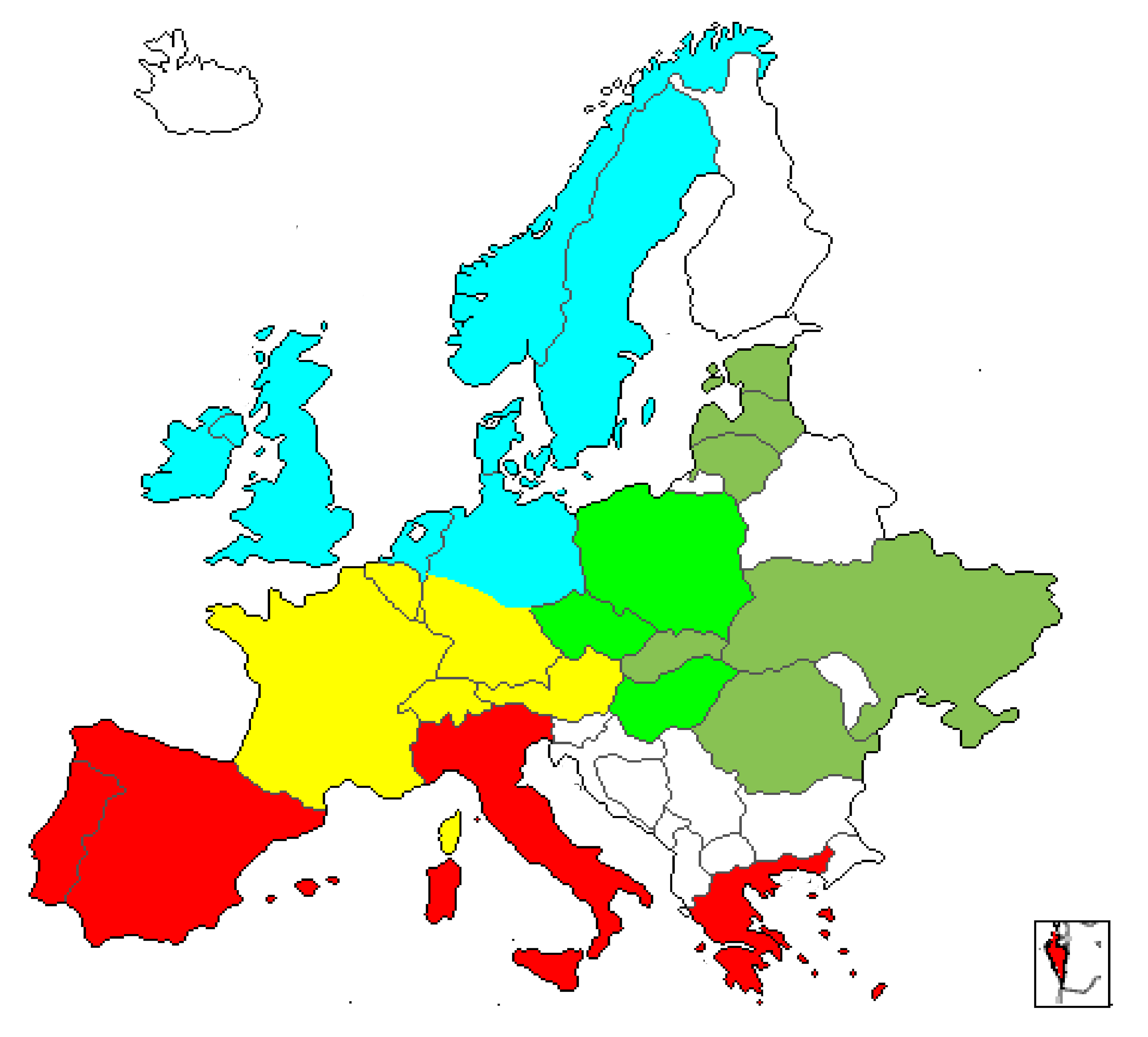
- Delta virus coinfection/superinfection in 5-15% of HIV/HBV co-infected
- Particularly in IVDUs, Eastern/Central/Southern Europe, sub-Saharan
Africa
- Often low levels of HBV DNA or HCV RNA
- Often aggressive hepatic fibrosis
|
|
6
|
|
|
7
|
|
|
8
|
|
|
9
|
|
|
10
|
|
|
11
|
|
|
12
|
|
|
13
|
|
|
14
|
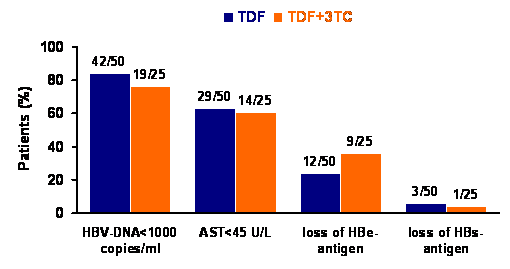
- Randomized Thai trial (1:1:1) of 3TC vs TDF vs 3TC/TDF within a
EFV-based HAART regimen (n=36)
- Hepatic flare in 9 (25%) patients, 4 of whom had HBe-Ag loss (2 with
HBsAg seroconversion)
- 1 died of hepatic decompensation
- Detectable HBV viremia at Week 48 is a risk factor for future HBV
resistance development (2 cases of 3TC resistance in 3TC only group)
- Good initial anti-HBV response for all 3 arms but more resistance in the
3TC arm at wk 48
|
|
15
|
|
|
16
|
|
|
17
|
|
|
18
|
|
|
19
|
|
|
20
|
|
|
21
|
|
|
22
|
- Chronic hepatitis B can be found in up to 8% of all HIV-patients
- HBV/HIV coinfected patients show a faster progression to cirrhosis and
increased liver-related mortality
- Do not forget to check for HDV superinfection
- ARV in HIV/HBV co-infected patients should include TDF and 3TC or FTC
- In patients with no HAART indication (>500/µl) early HAART still
remains an option; alternatives are PEG-IFN, or de novo
adefovir/telbivudine therapy
|
|
23
|
|
|
24
|
|
|
25
|
|
|
26
|
|
|
27
|
|
|
28
|
|
|
29
|
|
|
30
|
|
|
31
|
|
|
32
|
|
|
33
|
|
|
34
|
|
|
35
|
- Chronic hepatitis C can be found in 30% of all HIV-patients
- HCV/HIV coinfected patients show a faster progression to cirrhosis and
increased liver-related mortality
- With availability of pegylated interferon Hepatitis C specific treatment
options should be considered before onset of immunodeficiency in
HIV-coinfected patients
- HAART should not be withheld in coinfected patients
|

 Notes
Notes